 Article published by Investopedia.com
Written by Lora Shinn
“In 2025, Medicare will undergo some of the most significant changes in a generation. Changes to Medicare will include a $2,000 limit on out-of-pocket Part D drug costs, an opt-in payment plan, and some potential broad changes in Medicare Advantage plans. Most result from the Inflation Reduction Act.”
“It’s going to be a tough open enrollment because nothing like this has happened in Medicare since the inception of Medicare Part D in 2006,” said Jason Rubin, an independent insurance agent in Southern California who specializes in Medicare, among other coverage. “These are uncharted waters. I feel it’s going to take a couple of years to stabilize, and 2025 is like a test to see how well 2026 is going to work.”
“1. You Won’t Spend More Than $2,000 for Drug Copays and Coinsurance Under Part D
“In 2025, a new approach will replace previous confusing and frustrating Medicare Part D phases, including the elimination of the infamous “donut hole” and a new hard limit of $2,000 per year for out-of-pocket Part D drug spending.
“This limit, Rubin said, is “good for people who take a lot of drugs and pay a lot in copays because they can blow through $2,000 quickly.”
“Here’s how the phases will work:
- “Deductible phase: If your Medicare Advantage drug plan or standalone Part D plan requires a deductible, you’ll pay 100% of your prescription drug costs until you spend $590, which is the Part D deductible for 2025.1
- “Initial coverage: You’ll pay 25% coinsurance for covered drugs until you’ve paid $2,000 out of pocket.
- “Catastrophic: After you’ve hit the $2,000 threshold for out-of-pocket spending on your medications, you pay nothing else out of pocket for 2025. Part D enrollees who reach the catastrophic threshold will save about $1,300 on drug costs in 2025 compared to 2024, according to a Kaiser Family Foundation (KFF) review.2 In future years, the $2,000 limit will increase due to inflation.
“Unfortunately, these out-of-pocket limits do not apply to Part B drugs provided by a medical professional in an outpatient hospital setting. Chemotherapy treatments, for example, may fall into this category.”
Click here to read the rest of this article.
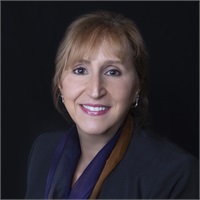 With a strong background in information technology, Carol is instrumental in building operational policies and strategies that keep the organization functioning smoothly. Carol’s organizational skills and her flexibility to jump from priority to priority along with her commitment to customer service makes her an essential part of the Grimard Financial team. When Carol is not working with the Grimard Financial Family, she is a very creative and accomplished photographer.
 Bob has a passion for making your money work hard for you. He takes profound joy in ironing out a plan for a long and comfortable retirement, no matter what your current income or level of wealth. With a work ethic second to none, he has a zeal for transforming uncertainty into stable ways for you to protect your future and your family. He knows that the quality of your life you enjoy today can remain as rewarding—or even better—after retirement.